





The Magic of China's Tea Brands: Sydney Is the New Battleground — What's Next for Taiwanese Bubble Tea?
Walk through any of Sydney's Chinese precincts over the past year or two and one thing becomes obvious: China's new-style tea brands are landing here in force.
Auntea, Soo Tea and Cha Panda have all opened in Sydney, and alongside global sensations like Molly Tea and HeyTea, the rhythm of the entire market has been rewritten. These brands expand fast, market loudly, and iterate their products aggressively. In a very short time, they've turned "new-style Chinese tea" into a genuine wave. That kind of momentum is worth a proper look from those of us inside the industry.
This isn't just a few more shops — it's a generational shift
Sydney's drinks market used to run on two main tracks: Taiwanese bubble tea, and Chinese fusion tea. But the centre of gravity is now tilting towards this new generation of Chinese tea brands.
This isn't about who wins and who loses. It's a generational shift. The customers have changed, tastes have changed, and expectations of what "a cup of tea" should be have changed too. What these new brands bring is a faster launch cadence, more considered store spaces, and stronger brand storytelling — and together, that's the magic behind this Chinese tea wave.

One crucial observation: the market is splitting
Here's something I think is genuinely important, and that a lot of people have missed: around 80% of these Chinese tea brands' customers are Chinese.
In other words, what they're really serving is the Chinese and international-student market. And conversely, traditional Taiwanese bubble tea has now — officially — become a product made for Aussie locals.
So the market is splitting into two lanes: one built around Chinese customers and led by new-style Chinese tea; the other already woven into the Australian mainstream and embraced by locals. For Taiwanese bubble tea, that's not necessarily bad news. Crossing beyond the Chinese community to become an everyday choice for local Australians is a hard thing to achieve, and a valuable one. The question is: what comes next?
The next step for Taiwanese bubble tea: three directions
1. Upgrade the whole drink, without necessarily changing the product
When people think "upgrade," they immediately think about developing brand-new items. But I believe the real opportunity is in taking what you already have and making it deeper.
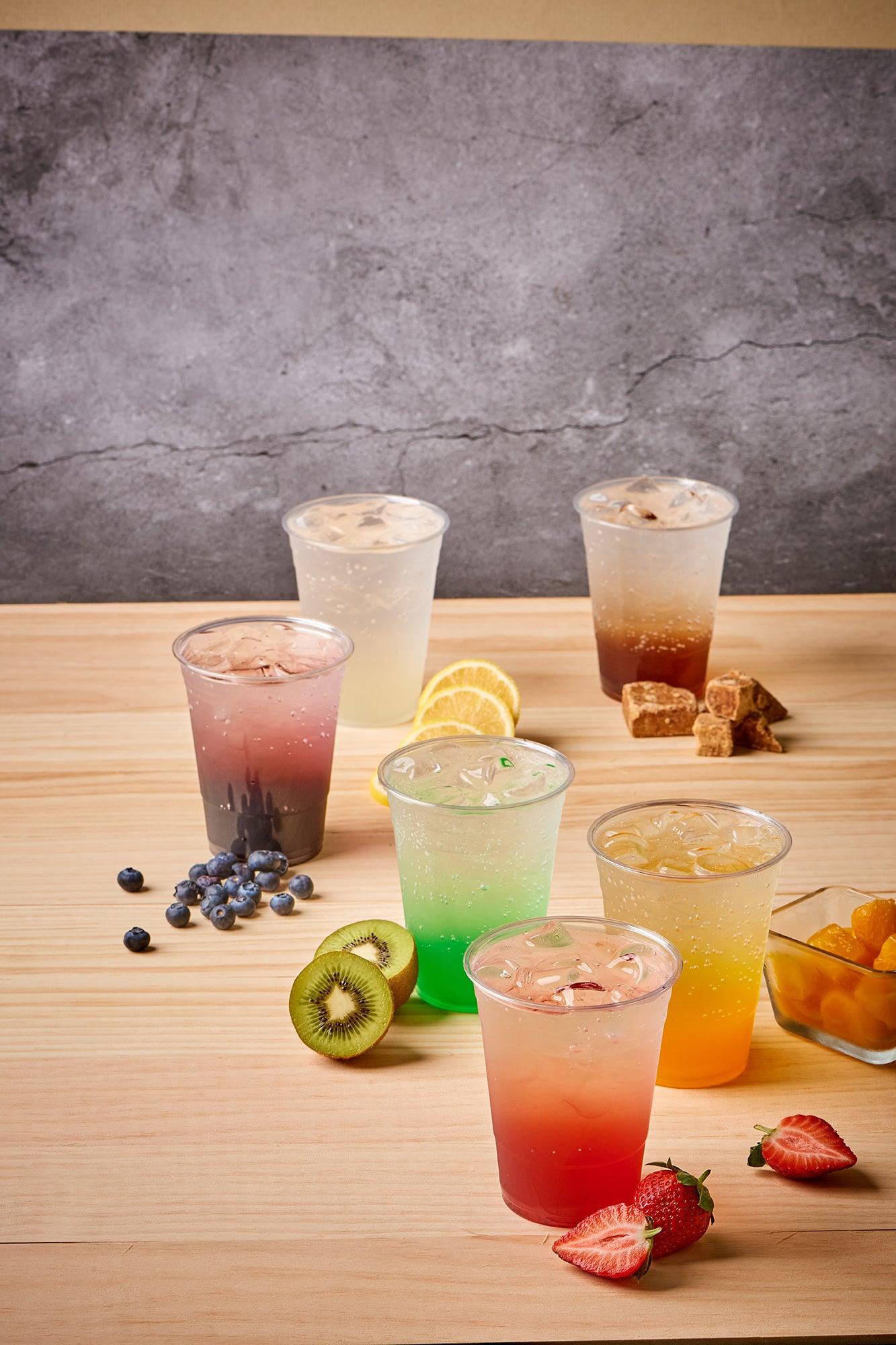
For example: an ordinary peach green tea can be upgraded into a juice-grade drink made with real diced peach and a high-quality green tea base. The name stays the same, but the texture, the layers, the thing people remember — completely different. That kind of depth upgrade is often far more effective than constantly pushing new products.

2. Re-aim your brand at your target audience — and position it more internationally
Think about how Yo-Chi reshaped the entire frozen yoghurt market. What they did wasn't change the product; they redefined the relationship between the brand and the customer — space, positioning, the feeling it gives you — all built around the audience they wanted. Taiwanese bubble tea is the same. Who is your target audience, and what do you want them to think of the moment they think of you? Getting that right matters more than opening three more stores.
But I want to stress one thing: your brand positioning should actually lean more international, not bend over backwards to "become Australian." Look at HeyTea and Molly Tea — they never downgraded themselves to fit a particular market. They used a genuinely international brand standard and let locals come to them. Being accepted by Australians is a good thing, but it should be "I'm good enough, so you come to me," not "I'll conform to you, so I end up the same as everyone else." The brands that go the distance start with an international outlook, then localise.
3. We need more brands that genuinely originate from Taiwan
The last point is really a hope I have for the whole industry: we need more authentic, Taiwan-born bubble tea brands to grow the pie together.
UG, Qingshan (青山), Jihe Tea (吉合製茶), Kebuke (可不可) and Dejeng (得正) are all brands already proven in Taiwan. If they were willing to enter Australia, what they'd bring isn't just product — it's a whole way of thinking about product, and a higher brand bar. China's tea brands can march in as a pack; Taiwanese bubble tea needs more good brands, too, to hold this market up together.
In closing
The rise of China's tea brands isn't an alarm bell for Taiwanese bubble tea. It's a mirror. They've raised the standard across the whole market — more considered spaces, deeper products, sharper brand storytelling.
Taiwanese bubble tea hasn't lost. We've even done something many brands can't: we've been genuinely accepted by local Australians. But whether we can get this "upgrade" right will decide whether we still have a place in the next generation.


Leave a comment