





Beyond Matcha: Why Hojicha Is the Tea Trend Australian Café Operators Should Watch in 2026
For the past few years, matcha has dominated the premium tea conversation in Australian cafés. But as of mid-2026, a quieter contender is gaining ground: hojicha. Roasted, earthy, and with a naturally lower caffeine content than matcha, hojicha is moving from niche tea menus onto mainstream café boards — and operators who understand it early have a commercial advantage.
This article covers what hojicha is, why it's gaining traction now, and what it means for café and bubble tea operators sourcing premium tea ingredients in Australia.
What Is Hojicha?
Hojicha is a Japanese green tea that has been roasted over charcoal at high temperatures. The roasting process transforms the leaf's colour from green to reddish-brown and dramatically changes its flavour profile: the grassy, vegetal notes typical of green tea are replaced by a warm, toasty, caramel-like character. Caffeine is partially broken down in the roasting process, making hojicha significantly lower in caffeine than matcha, sencha, or standard green tea.
Hojicha has been consumed in Japan for centuries — it originated in Kyoto in the 1920s as a way to use lower-grade stems and leaves that didn't meet the standard for higher-priced teas. What was originally a practical, frugal product became beloved for its distinctive flavour and approachability. Today, premium hojicha is produced from high-quality leaves and stems specifically selected for roasting, with significant variation in depth and sweetness depending on roast level and leaf grade.

Why Hojicha Is Breaking Through Now in Australian Cafés
Three converging factors are driving hojicha's rise in the Australian market in 2026. First, consumer fatigue with matcha is real: the green tea category has been saturated at both the retail and foodservice level, and operators are actively seeking differentiation. Hojicha offers a visually and flavourologically distinct alternative that is still premium, still Japanese in origin, and still positioned in the wellness-adjacent tea space that consumers value.
Second, caffeine sensitivity is an increasingly relevant purchasing driver. A significant portion of café customers — particularly afternoon visitors, parents, and older demographics — actively seek lower-caffeine alternatives. Hojicha's natural low-caffeine profile lets operators serve this segment without resorting to herbal or decaf products, which carry different flavour and positioning challenges.
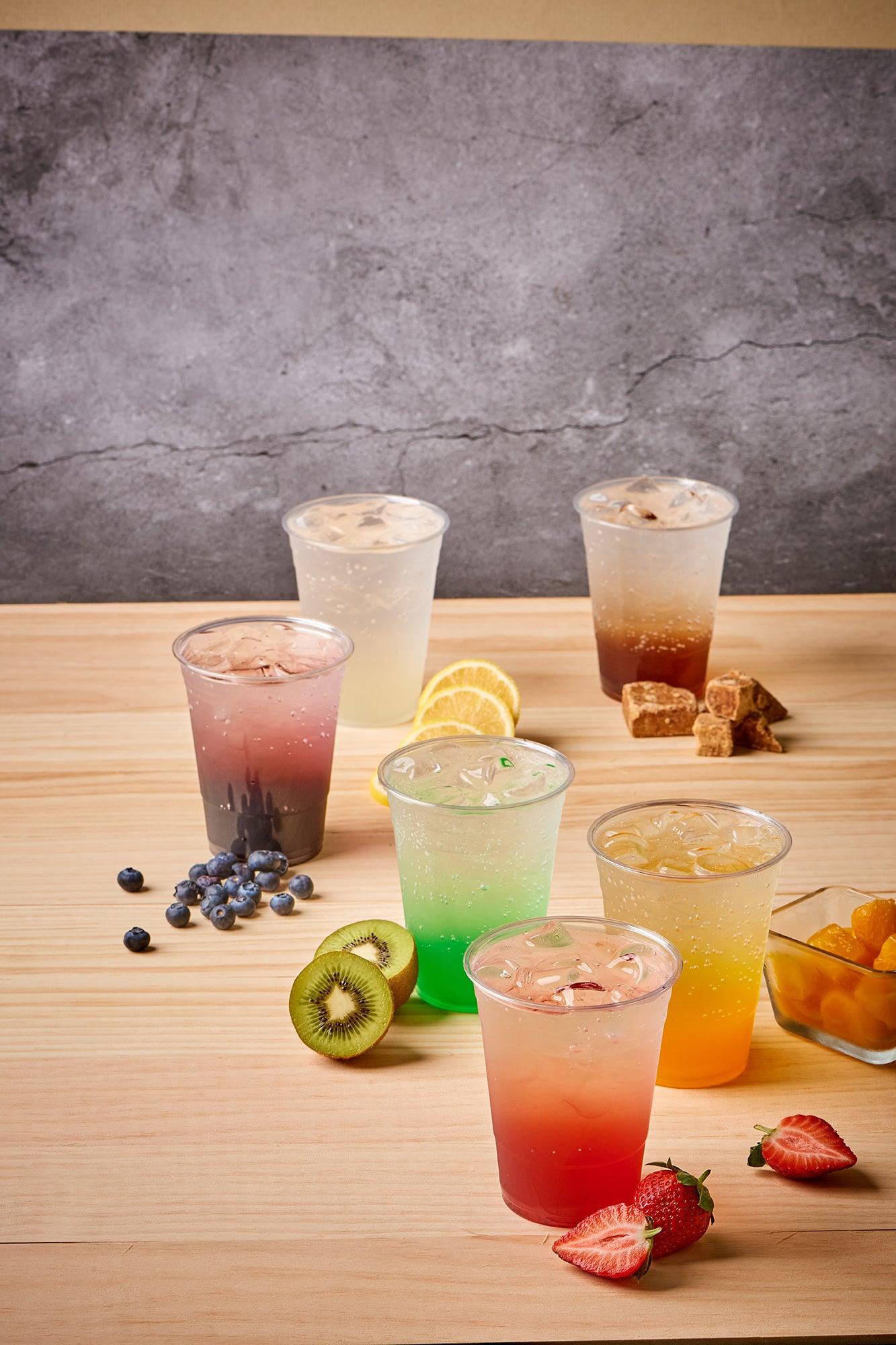
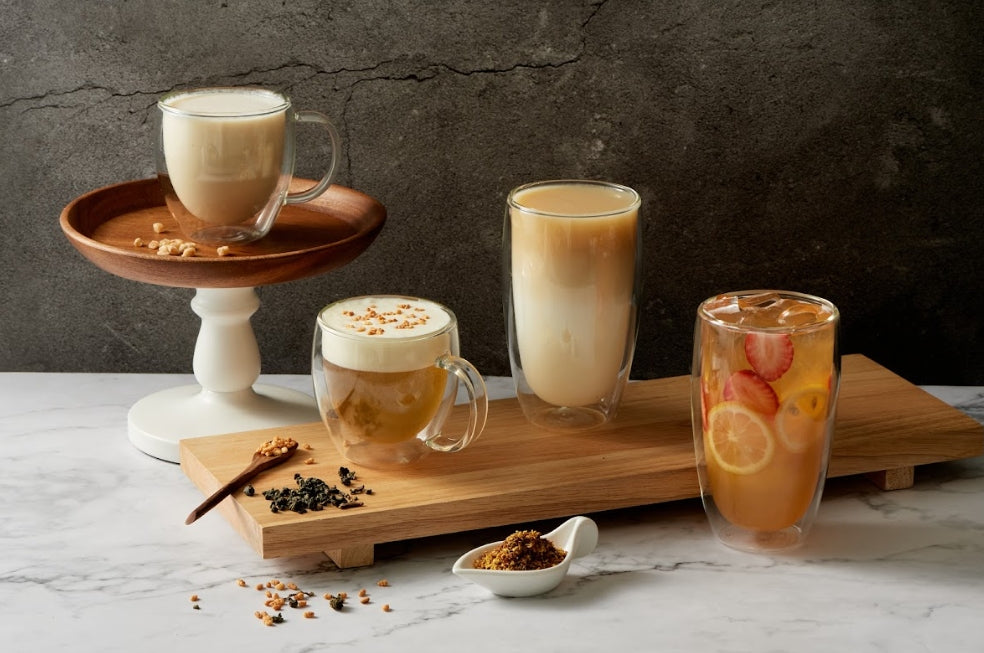
Third, hojicha's versatility is well-suited to the way Australian cafés and bubble tea shops build menus. The roasted tea base works equally well as a hot latte, an iced latte, a frappe, a smoothie, and a bubble tea base. That cross-format utility means a single ingredient can populate multiple menu lines — an important consideration for operators managing tight ingredient lists.

How Operators Are Using Hojicha on Their Menus
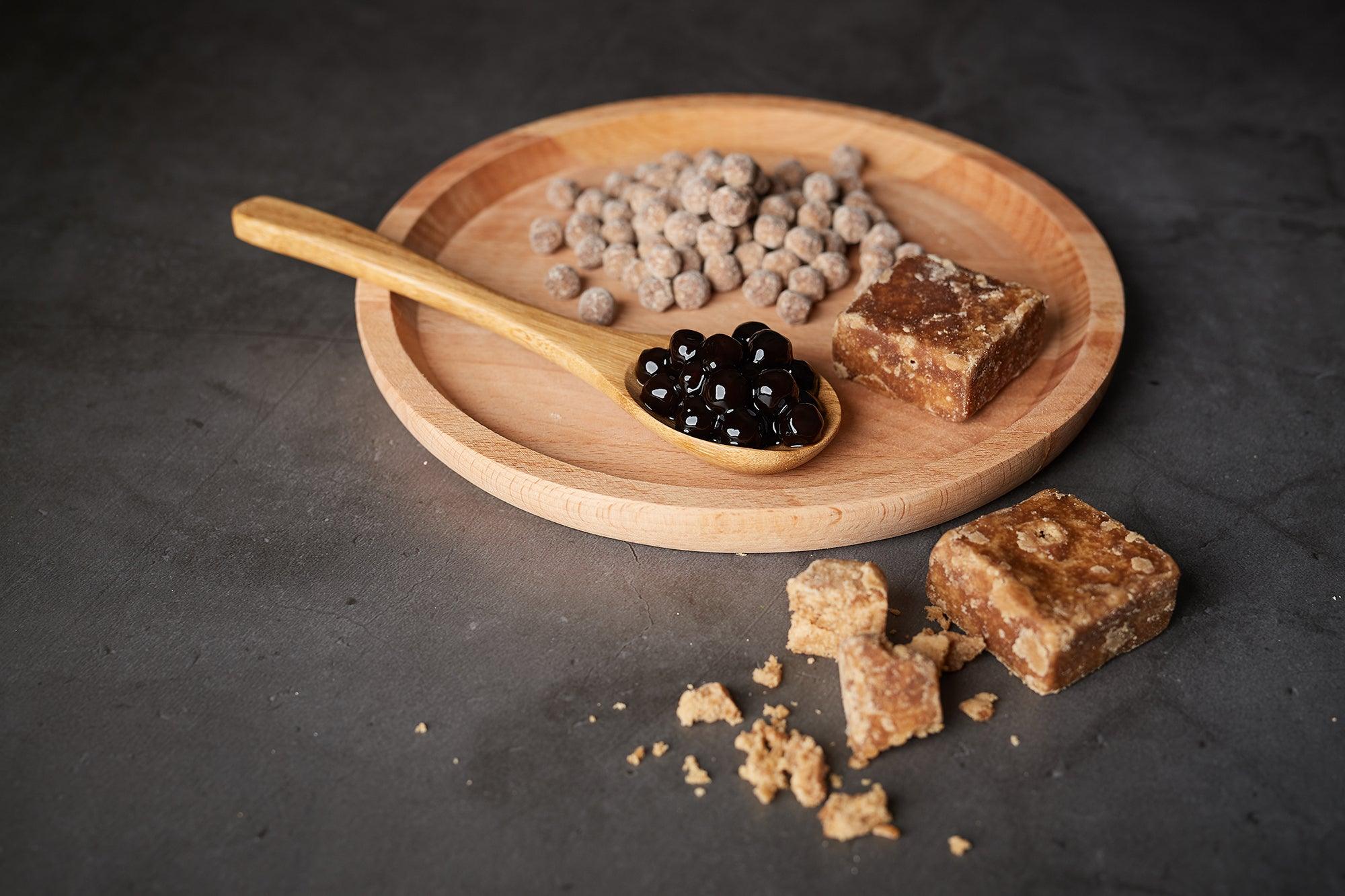
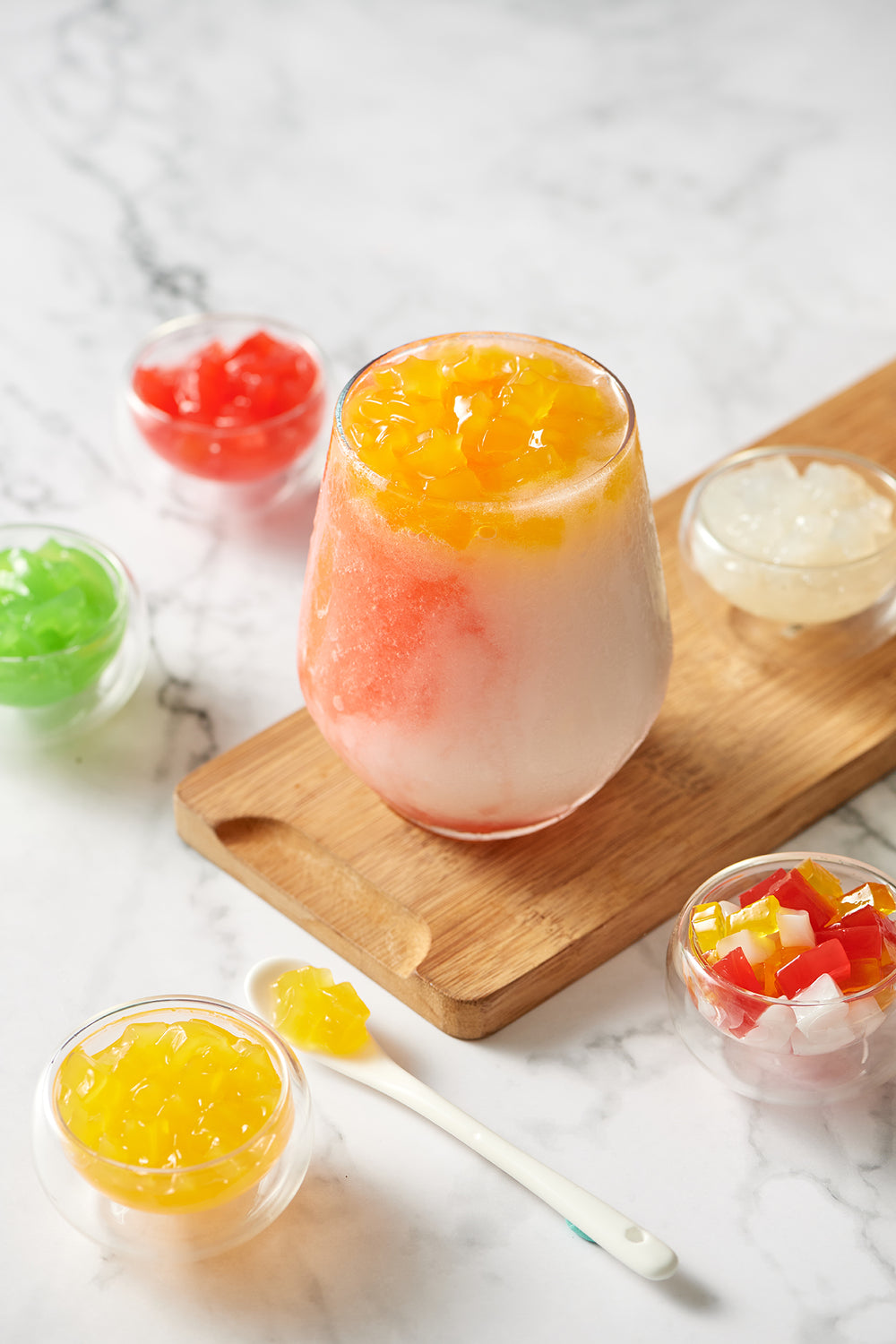
The leading applications of hojicha in Australian cafés in 2026 follow a recognisable pattern. The hojicha latte — hot or iced, with oat or whole milk — is the primary entry point, positioned alongside matcha lattes at a similar price premium. Hojicha frappes and thick shakes are growing in bubble tea shops, particularly as a seasonal or limited-time offer that drives social media engagement. Some operators are using hojicha as a base for milk tea, pairing it with tapioca pearls or jelly toppings for a distinctly Japanese-influenced bubble tea format.
From a menu engineering perspective, hojicha is a strong upsell candidate. Its premium positioning — roasted single-origin Japanese tea, lower caffeine, unique flavour — supports pricing at the top end of the beverage range without the cost complexity of espresso-based drinks. Operators who introduce it as a limited seasonal item often find it converts to a permanent menu fixture within two to three months.
What to Consider When Adding Hojicha to Your Menu
For operators evaluating hojicha as a menu addition, sourcing quality is the most important variable. Hojicha powder (the most practical format for volume café preparation) varies considerably in quality: the best products deliver a genuine roasted tea depth, while lower-grade powders can taste flat, bitter, or artificial. Prioritise suppliers who can provide product specifications and, where possible, samples before committing to a volume order.
Preparation technique matters too. Unlike matcha, which is traditionally whisked with water, hojicha powder blends well with warm milk directly — making it easier to incorporate into existing milk-based drink workflows. A standard dosage of 5–6g per serve (roughly one heaped teaspoon) in a 250–300ml drink delivers the characteristic roasted flavour without bitterness. For iced formats, pre-mixing the powder with a small amount of hot water before adding cold milk prevents clumping.

Hank's Tea and the Premium Tea Ingredient Range
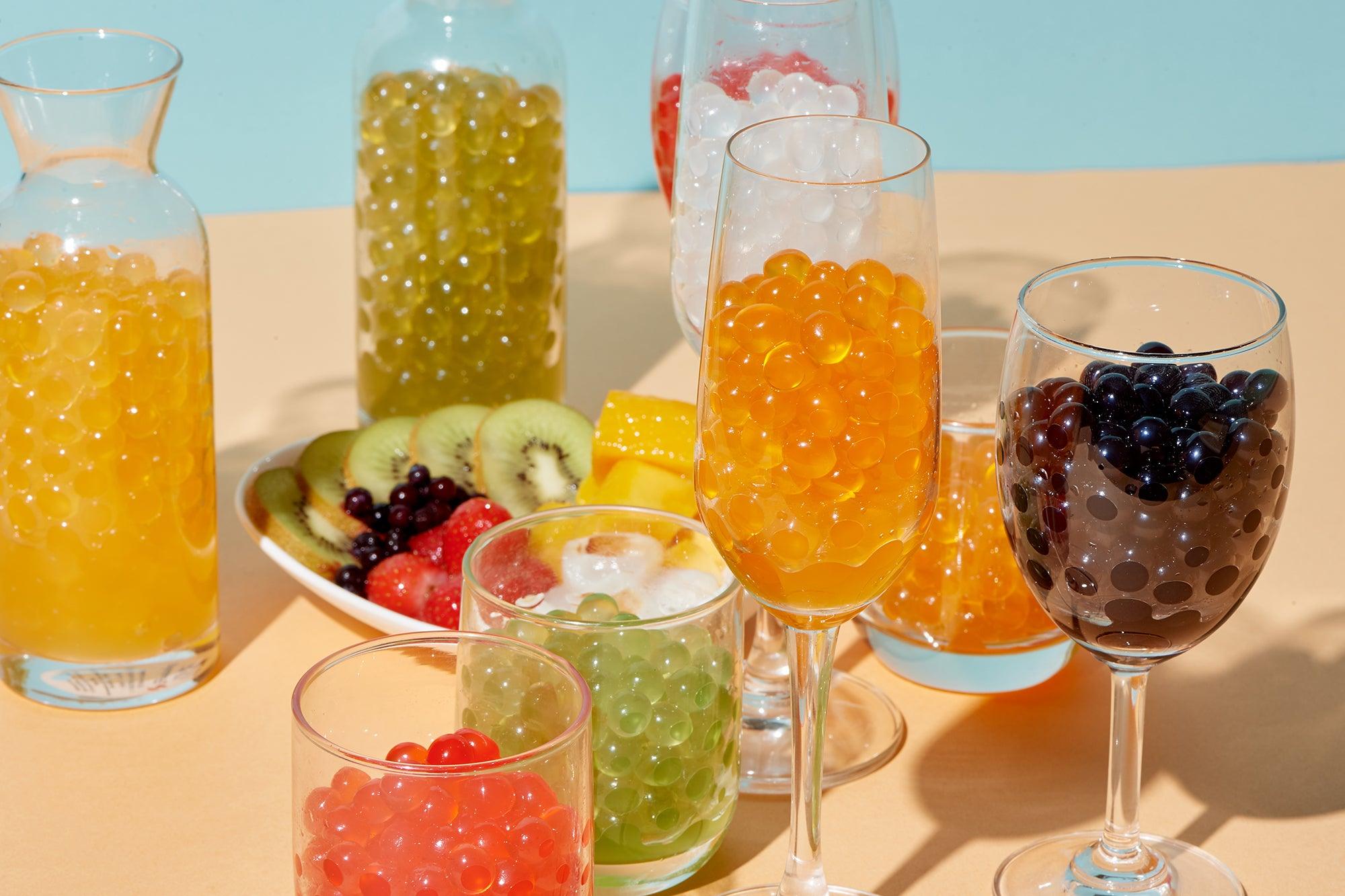
Hank's Tea supplies premium tea ingredients to cafés, bubble tea shops, restaurants, and canteens across Australia. Our wholesale range includes flavour powders, tea bases, syrups, toppings, and creamer — everything required to build and maintain a high-quality tea beverage menu. As demand for premium and differentiated tea formats like hojicha grows, we continue to expand our product range to meet the sourcing needs of Australian operators.
If you're looking to introduce new tea-based formats to your menu and want to discuss ingredient options, volume pricing, or product availability, our team is ready to assist.
Talk to Hank's Tea
Stay ahead of the tea beverage curve. Contact our team today to discuss your wholesale ingredient requirements, explore our current product range, or request samples for menu development. We work with operators of all sizes, from single-site cafés to multi-location chains.



發表評論