







Australia's All-You-Can-Eat Comeback: Why It's Different This Time
All-you-can-eat dining is making a comeback across Australia — and this time, it looks different.
Most of us have felt the squeeze on household budgets lately. Wage adjustments, the new ban on surcharging for card payments, and property-related policy changes have all added pressure to an economy where prices were already high. There's a longer conversation to be had about exactly why costs keep climbing, but anyone paying attention already has a good sense of the cycle Australia's economy is moving through.
So here's the headline: all-you-can-eat restaurants are quietly opening back up.
It's not just the usual Korean BBQ, Japanese yakiniku, and hot pot formats — some Chinese restaurants are now offering AYCE during select sessions too. A few of our clients and friends in the industry are working in this space right now, and they've shared some of what they're seeing on the ground. Three points worth thinking through.
1. AYCE Isn't Selling on "Cheap" Anymore
Most people's mental image of AYCE dining is fairly consistent: inexpensive, plenty of food, but middling quality. If you don't eat much to begin with, an AYCE booking can feel like punishing your own stomach for the sake of value.
That's no longer the full picture.
Sure, there's still Korean BBQ available around the AUD$50-per-head mark, and at that price point you're not getting Angus or Wagyu — there's a clear gap between that tier and what an à la carte Asian grill restaurant serves. But a newer band of AYCE venues has emerged at closer to AUD$80 per head, and the difference in meat quality at that level is obvious.
The point is this: AYCE dining is no longer competing on low price. It's competing on giving customers a predictable spend for food they actually want to eat, at a standard that holds up.
You feel this the moment you dine out with friends and the bill lands after ordering à la carte — the total is rarely cheap either way. So if the spend ends up similar regardless, why wouldn't a customer choose the format with a clear price ceiling and genuinely good food on the table?

2. There's Still a Lot of White Space in the Category
Right now, Australia's AYCE scene is concentrated in Korean BBQ, Japanese yakiniku, and Chinese hot pot. A handful of premium hotels — Crown among them — run seafood buffets above AUD$150 per head, but that's an entirely different tier of the market.
The space in between is largely empty.
There's a real opportunity to look at how Taiwan's major buffet groups — chains like Sagood, Hanlin, and Shin Yeh — have built out their offering: broader menus, different formats, a more considered overall dining experience. Taiwan has been refining this model for years, and there's plenty worth studying in how they've handled themes, floor layout, and the pacing of food coming out.
That said, a restaurant manager I know made an important point: running an AYCE venue is a fundamentally different discipline from running a standard restaurant.
With hot dishes like Korean BBQ, anything uneaten is simply wasted — thrown out. But the whole premise of AYCE is that customers need to feel like there's an abundant spread waiting for them. If a tray only has a few stray chips left on it, the impression is already ruined and that customer isn't coming back. The moment meat on display starts to discolour, it needs to be pulled immediately.
Put out too much and it's pure cost. Put out too little and you lose the customer's impression. Getting that balance right is genuinely difficult to manage — which is exactly why AYCE looks like a low barrier to entry from the outside, but far fewer operators actually make it work.
3. Using Beverages to Balance Meat and Seafood Costs
This third point is the one most relevant to my own side of the industry.
Meat and seafood are the biggest cost line in any AYCE operation, and there's no cutting corners there — that's the whole reason customers walk through the door. But you can even out the overall cost structure elsewhere. Beverages are the most direct lever available.
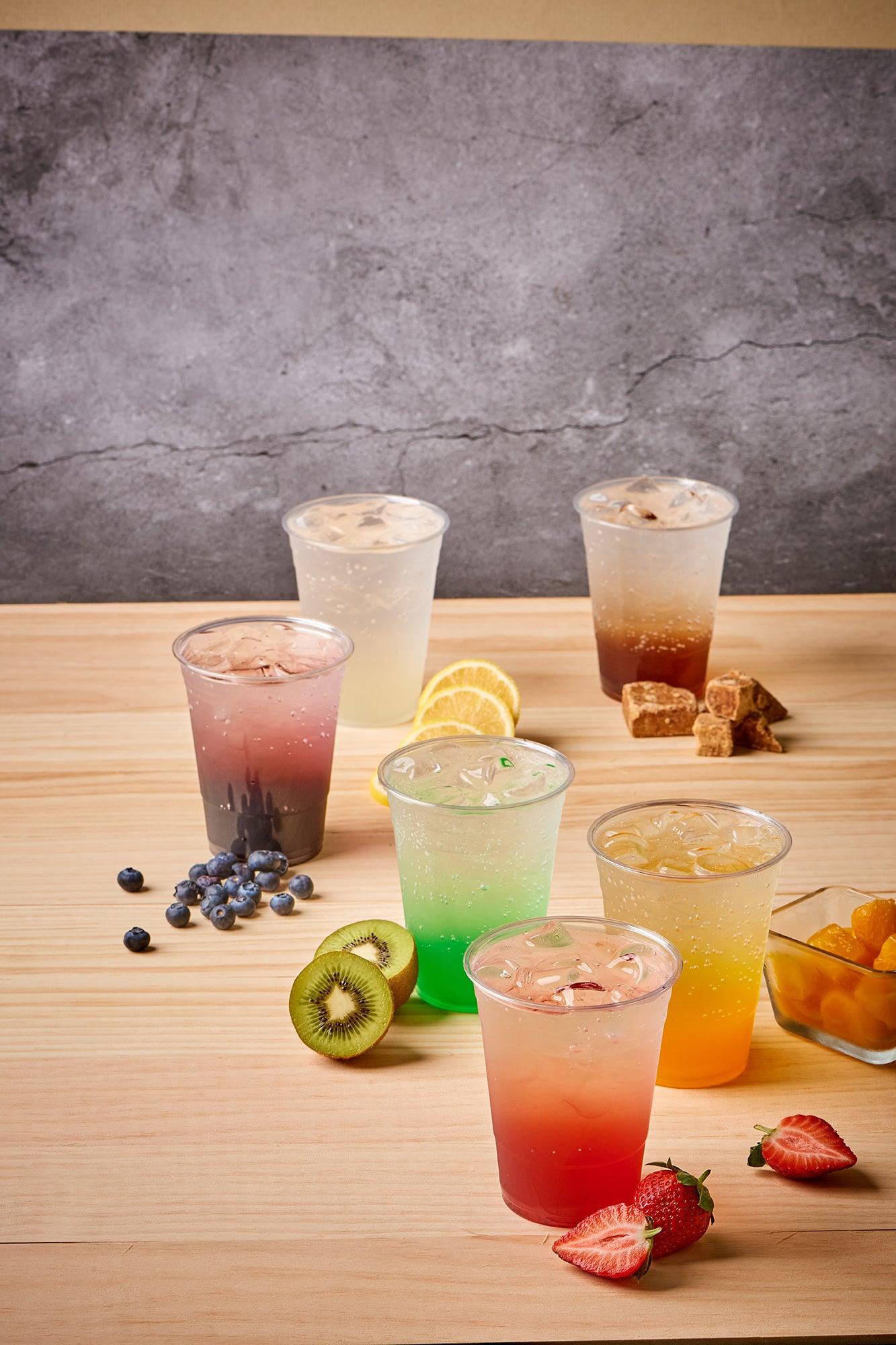
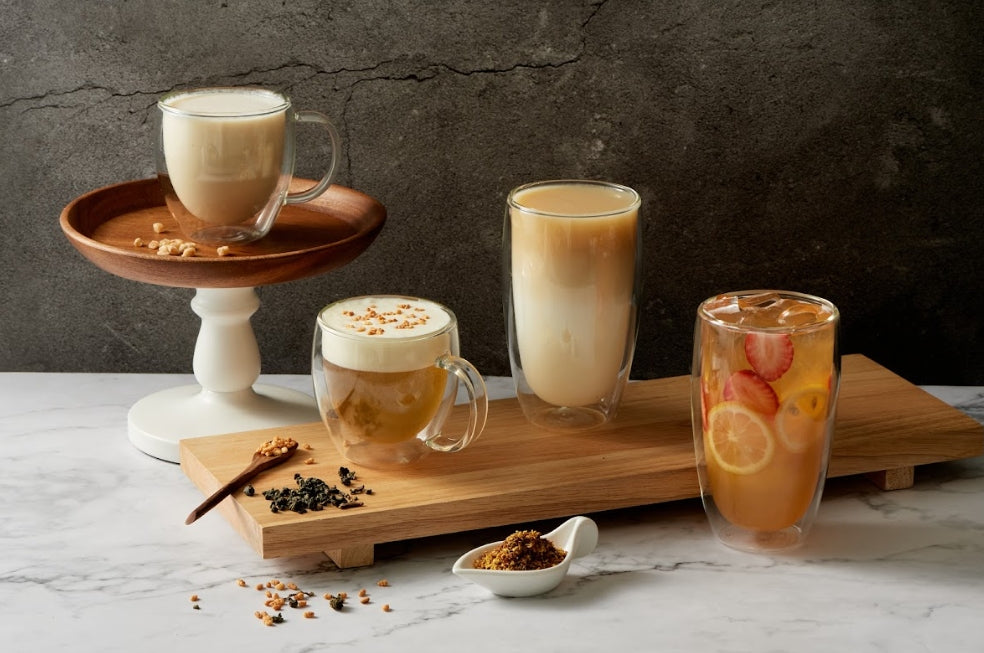
Whether it's house-made flavoured drinks or bottled beverages, the cost per serve — jug or bottle — is nowhere near the cost of an equivalent weight in meat. Get the cost structure on the drinks side right, and the margin you free up can go straight back into upgrading the meat and seafood tier, lifting the overall dining experience by a notch.

Taken further, this is really about resetting the positioning and price point of the whole restaurant — giving customers that sense of "this price, for this quality, is genuinely worth it." Real value was never about making every single line item cheap. It's about spending where the customer actually notices.
There are already straightforward, low-labour drink solutions on the market that can be batch-mixed and dispensed with minimal staff time — and for operators in this space, it's genuinely worth testing.
The Bottom Line
Australia's economic conditions are pushing more AYCE restaurants back into the market — that part is simply a consequence of where things stand right now.
But alongside that, there's real opportunity showing up too: new categories, new price tiers, new formats. When the market shifts, the operators who shift with it are the ones who end up with a seat at the table.



發表評論