





Vietnamese Food in Australia: No Longer Just "Cheap and Tasty"
Vietnamese food in Australia isn't just "cheap and tasty" anymore.
Have you noticed how much Vietnamese food has grown across Australia lately? Pretty much every suburb has a Vietnamese restaurant now.
I want to talk through what I've seen in Australia's Vietnamese food scene — I think this one's worth reading to the end.
If you're in Australia, you already know the staples: pork rolls, beef pho, spring rolls, rice paper rolls. But before I arrived here — over twenty years ago now — my impression of Vietnamese food was stuck on small takeaway shops and not much else. I knew almost nothing about the cuisine.
I'll always remember Minh-Hai on George St in Sydney (now closed). Their signature was salt-baked chicken rice, but plenty of the menu was still Vietnamese — it was run by a Vietnamese-Chinese family. I was there once a week without fail. Over time, that turned into regular trips out to Bankstown and Cabramatta for more authentic Vietnamese food. And on the odd occasion when there was genuinely nothing to choose from in a suburban shopping centre, there was always Roll'd.
Going from complete outsider to having Vietnamese food as a default option in our household — what happened in between is essentially the story of an entire category putting down roots in Australia.
Here are three observations on how I see it developing.
1. The Franchise Model Has Already Emerged
The clearest example here is Roll'd.
They opened their first store in Melbourne CBD in 2012 and now run over 120 locations (their own figure of 150+ is cumulative openings including overseas markets — worth keeping those two numbers separate). The core menu is rice paper rolls, beef pho, and bánh mì.
One thing I think the founders got right was product selection. They chose items that are simple, hold up to repeat eating, and are highly replicable — not the technically impressive dishes that taste great but resist standardisation. Combined with leaning fully into Vietnamese branding rather than softening it, the brand found recognition quickly, secured its niche, and grew into the category leader in Australia.
There's a lesson in that worth internalising: the categories that scale into franchises aren't the best-tasting ones — they're the ones that reproduce most reliably. If Roll'd's menu had been built around 20 labour-intensive dishes, there would be no 120 stores today.
Meanwhile, Destination Roll — expanding quickly right now — is taking a completely different path: a Vietnamese bakery model paired with a bánh mì quick-service specialty, built around freshly baked baguettes and crispy pork rolls for takeaway.
Same category, two entirely different approaches. One is pure QSR standardisation, the other is fresh-baked and made-to-order. Both are growing, and that alone tells you the market hasn't hit its ceiling.
2. Convenient, Consistent, and the Owner Is Actually There
This second point is more personal.
Whenever my wife and I can't decide what to eat, Vietnamese always comes up. The reason is simple: there are plenty of options, and you rarely get a bad one.
Prices have certainly climbed with inflation over recent years, but the overall range is still reasonable. High convenience plus consistent quality is exactly why it keeps landing as our default choice.
And here's something I've noticed: at most Vietnamese restaurants, the owner is personally involved in running the place.
I think this matters enormously. Customers can taste whether the owner is in the building. Consistency in what comes out of the kitchen, standards around ingredients, how customers are treated — none of that transfers cleanly into a process document. When a category earns the kind of trust where customers can walk in almost blind and not be disappointed, that isn't built by marketing. It's built by hundreds of owner-operators standing in their own shops, day after day.
This is also exactly why a lot of Asian food categories never take hold in Australia — expansion outpaces what the owner can personally oversee.
3. Vietnamese Coffee and Drinks Are the Next Opening
The third point is the one closest to my own side of the industry.
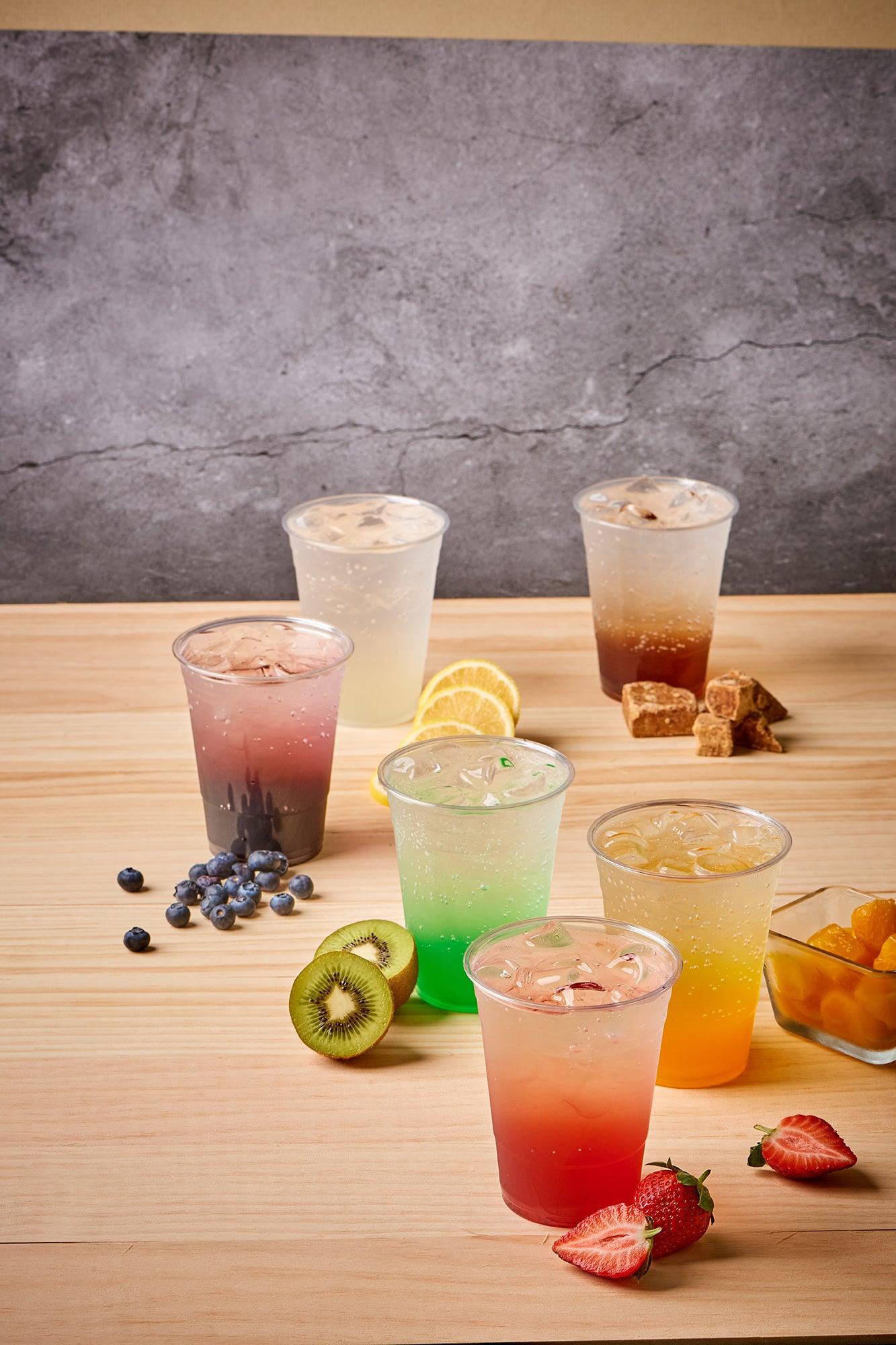
Vietnamese coffee and related beverages are steadily becoming another drinks option, giving Asian beverages a broader position in the Australian market — no longer just bubble tea and soft drinks.
This matters more than it looks on the surface. Vietnamese coffee comes with several genuinely strong attributes built in: high recognisability, a workable cost structure, straightforward preparation, and a flavour bold enough that it doesn't need explaining. Condensed milk coffee, coconut coffee, salted coffee — these read as "new but not unfamiliar" to Australian consumers, which is exactly the right level of friction.

For operators, this is a practical opportunity: you don't need to convert your entire venue into a Vietnamese restaurant to add a Vietnamese-style item to your drinks line. Food service competition is already crowded. But on the beverage side, Vietnamese options are nowhere near saturated.
My Takeaway
Looking at how Vietnamese food has developed in Australia over these past few decades, what strikes me most isn't how good it tastes — it's how steadily it has moved.
It didn't rely on novelty launches or one-hit influencer marketing. It relied on three things: choosing replicable items, having owners stand in their own shops, and then spending twenty or thirty years slowly turning a category once written off as "cheap takeaway" into an everyday Australian choice.
For those of us in bubble tea and Asian food service, that path is a mirror worth looking into. We spend a lot of time thinking about how to launch new products, how to market, how to expand fast. Vietnamese food service gives the opposite answer — get the repeatable things right first, then last long enough for it to compound.
And right now, the beverage side of this category is only just beginning. The food side is already crowded, but the drinks position is still open. If you're thinking about where to move next, this direction is genuinely worth a serious look.


Để lại bình luận