





From Japan to Australia: The Rise of Matcha Drinks and How to Source the Right Ingredients
Few ingredients have made the transition from ancient ritual to modern café staple as gracefully as matcha. What began as a cornerstone of Japanese tea ceremony culture has, over the past decade, become one of the fastest-growing flavour categories across Australia's food and beverage industry. From bubble tea shops to specialty coffee bars and high-end hotel menus, matcha is no longer a niche offering — it's an expectation.
Understanding the cultural roots of matcha and where the Australian market is heading gives operators a meaningful edge when building or refining their beverage programs. And sourcing the right matcha ingredient is the single most important decision you'll make when adding it to your menu.
Matcha in Japan: Tradition Meets Modernity
Japan's relationship with matcha stretches back to the 12th century, when Zen Buddhist monks brought powdered tea from China and developed the chado — the way of tea — as a meditative practice. For centuries, matcha was consumed in its purest form: whisked with hot water in a ceramic bowl, served with quiet deliberateness.
Today, Japan has preserved this ceremonial tradition while simultaneously reinventing matcha for everyday consumption. Japanese convenience stores stock matcha Kit Kats, matcha soft-serve, and canned matcha lattes. Specialist cafés in Kyoto and Tokyo have built entire menus around single-origin, ceremonial-grade matcha sourced from Uji, Nishio, and Yame — Japan's three most celebrated tea-growing regions.
What defines Japanese matcha culture in the modern era is an emphasis on grade and provenance. Consumers and operators alike are educated about the difference between ceremonial grade (bright, vibrant green; intended for drinking straight) and culinary grade (more robust, slightly bitter; ideal for mixing with milk or sweeteners in lattes and frappes). This distinction matters enormously when selecting wholesale ingredients.
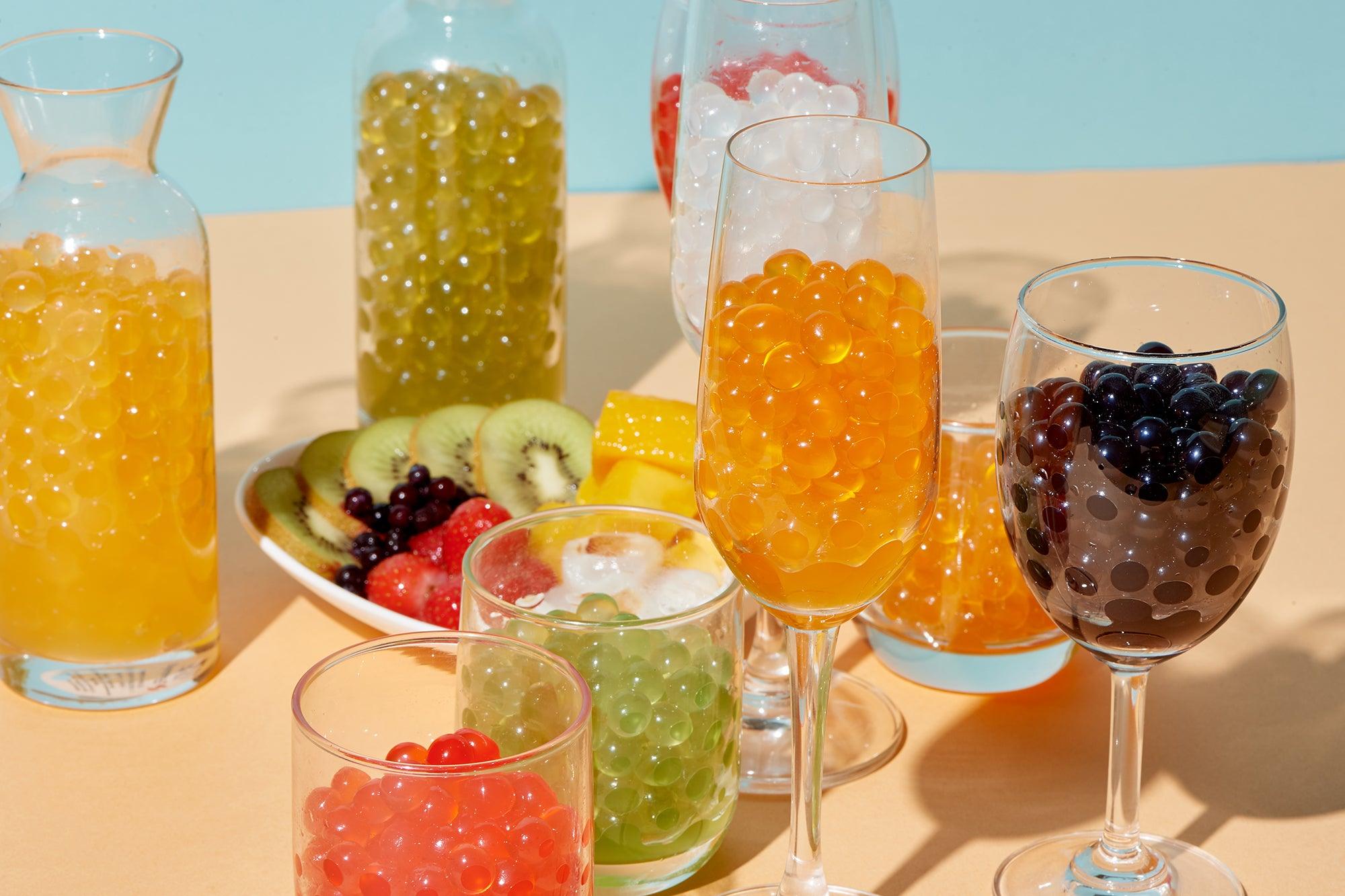
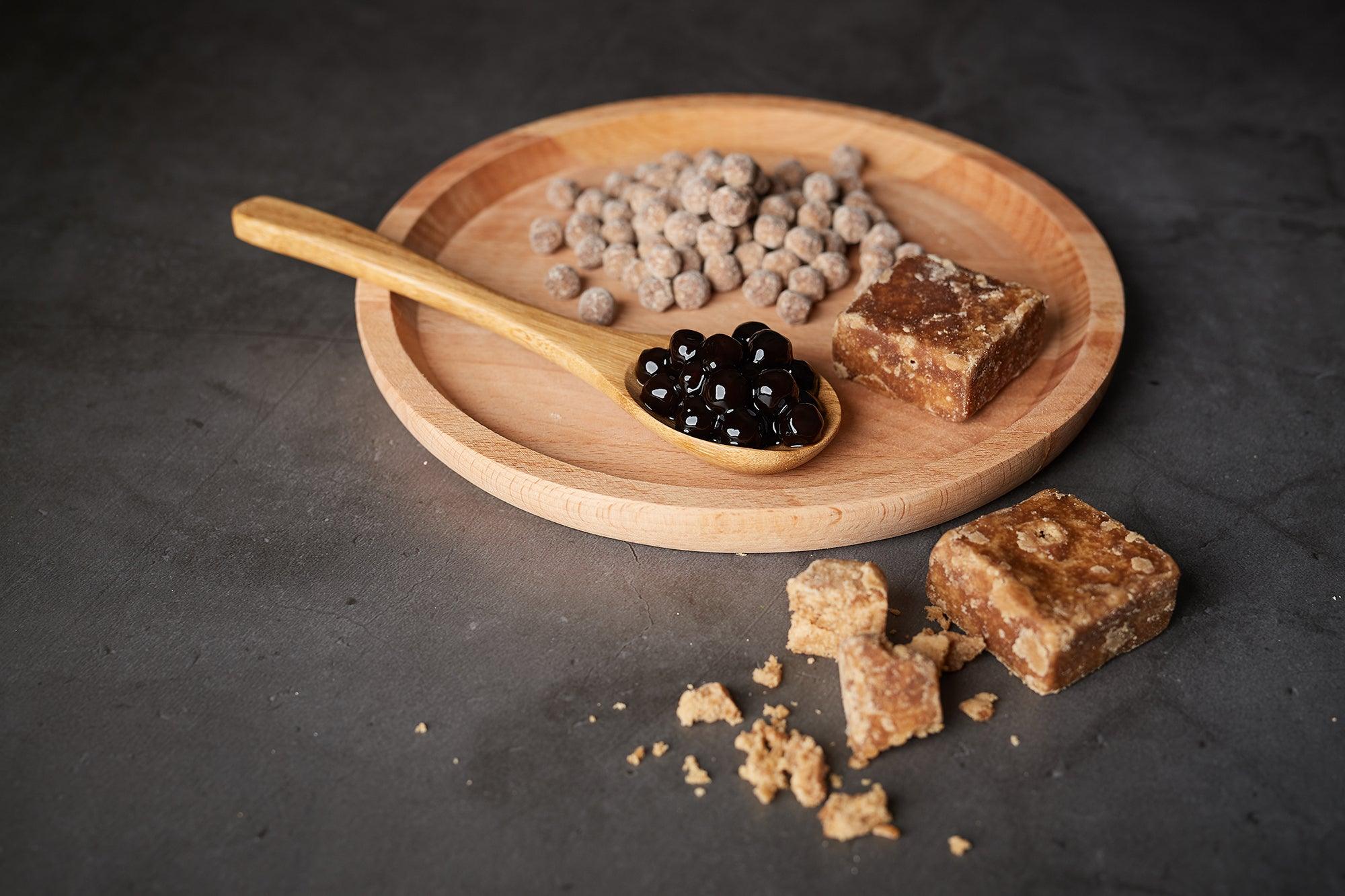
Japan has also pioneered the matcha latte format — now a global standard — as well as matcha-based bubble tea, where the powder is blended with milk, sweetener, and chewy tapioca pearls. These formats have driven export demand for high-quality Japanese matcha at scale, setting the benchmark for what premium looks like internationally.
Matcha in Australia: From Niche to Mainstream
Australia's matcha moment has been building steadily for years, but the past three years have seen genuine acceleration. Several factors are converging to make matcha one of the most commercially significant ingredient trends operators need to take seriously right now.
Health-conscious consumers are driving volume. Matcha is rich in L-theanine, an amino acid associated with calm focus, and contains a higher concentration of antioxidants than conventional green tea. In a market where customers are increasingly scrutinising what they drink, matcha occupies a rare position: it tastes indulgent but carries a genuinely functional nutritional profile. This makes it ideal for cafés targeting health-aware demographics, gym communities, and corporate clients.
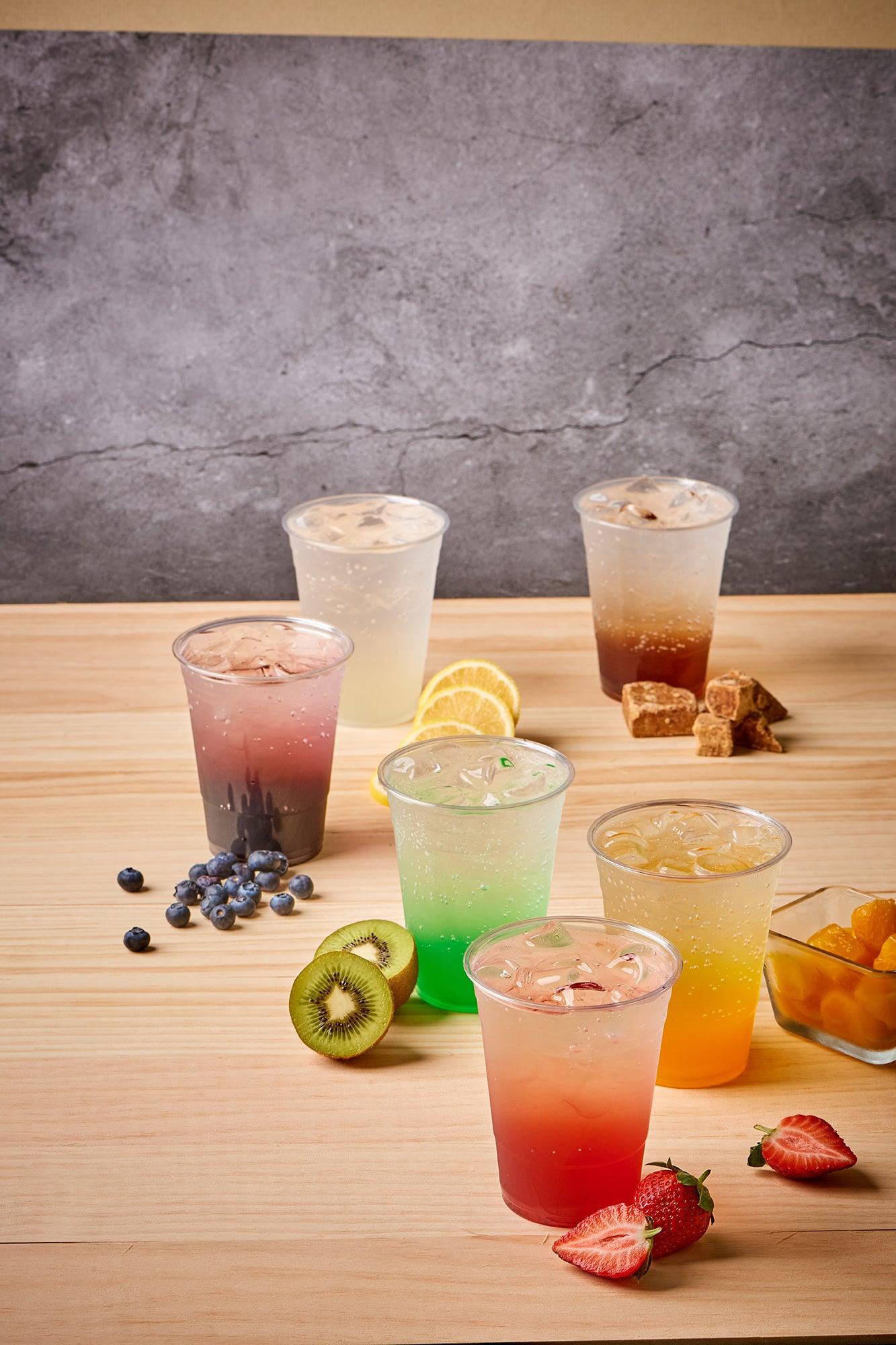
The café channel is expanding its matcha offering. Five years ago, a matcha latte was a point of difference. Today, any specialty café that doesn't offer one is behind. The same shift is happening in bubble tea — where matcha milk tea, matcha brown sugar, and matcha with taro have become signature drinks in their own right, not just variations on a theme.
Social media is amplifying demand. The visual appeal of matcha — its distinctive jade-green colour against milk foam or layered over ice — makes it one of the most photographed drinks on Australian social platforms. Operators are finding that a well-presented matcha drink drives organic social visibility that other beverages simply cannot match.
Foodservice and retail channels are converging. Supermarkets and specialty food retailers have started stocking matcha products at scale, raising general consumer awareness and increasing the pressure on foodservice operators to offer premium versions that justify the in-store price premium.
What Hank's Tea Supplies: Three Matcha Formats for Commercial Use
At Hank's Tea, we supply matcha ingredients specifically formulated for high-volume commercial use across cafés, bubble tea shops, restaurants, and foodservice operators. Here are the three formats currently available from our wholesale range:

1. Matcha Milk 2-in-1 Flavour Powder — $22 per bag / $335 per carton (20 bags)
Our bestselling matcha product and the most operationally practical option for high-throughput venues. This pre-mixed powder combines matcha and creamer in a single format — no separate measuring, no multiple ingredients to manage. Simply blend with milk or water for a consistent matcha milk tea or frappe every time. Ideal for bubble tea shops, self-serve kiosks, and any operation that prioritises speed of service without sacrificing flavour. Available in single bags or bulk cartons of 20.
2. Pure Matcha Green Tea Powder — $45 per bag (500g) / $810 per carton (20 bags)
100% pure matcha with no creamer, no pre-mix, and no additives. This is the right choice for operators who want full control over their recipe — baristas who whisk their own matcha lattes, chefs developing matcha-based desserts, or cafés that position themselves around premium, single-ingredient quality. The pure format also gives you the flexibility to pair the matcha with your preferred milk type, whether that's full-cream dairy, oat, almond, or soy. The vibrant green colour performs exceptionally well for photographed and layered drinks.

3. Premium Matcha Latte Powder — $25 per bag / $440 per carton (20 bags) ⭐ New Arrival
Our newest addition to the matcha range, the Premium Matcha Latte Powder delivers a noticeably richer green colour and deeper flavour profile compared to standard culinary-grade matcha powders. It's specifically formulated for café-style latte applications — the kind of drink that photographs beautifully and holds its colour throughout service. If your venue is known for presentation and quality, this is the format to build your matcha latte around. Now available for wholesale ordering in single bags or cartons of 20.
Choosing the Right Matcha Format for Your Business
The right product depends on your service model. For high-volume bubble tea operations where speed is essential, the 2-in-1 Matcha Milk Powder is the operational choice. For specialty cafés or menus where quality and customisation are the brand proposition, the Pure Matcha Powder gives you the most flexibility. For operators who want the best visual output and are building a premium café matcha offering, the new Premium Matcha Latte Powder is worth ordering ahead.
All three products are available now from the Hank's Tea wholesale store, with delivery from our Sydney warehouse to businesses across Australia. Current account holders can add matcha products to their next order directly. New clients are welcome to register for a wholesale account.
Contact our team today to discuss your matcha requirements, get a wholesale quote, or request a sample for your kitchen trials.


Để lại bình luận